
By David Cleland, GISP, PG
Data Management and GIS Services Manager,
Groundwater & Environmental Services, Inc.
Executive Summary
In a groundbreaking initiative to support “Radical Transparency™,” a leading natural gas exploration and production company, CNX™, utilized the EarthSoft EQuIS REST API to facilitate a centralized data lake for groundwater quality monitoring across multiple Pennsylvanian counties. By enabling near real-time data availability following field monitoring and completion of laboratory analyses, the program allowed proactive communication with landowners about potential groundwater risks even before construction began. This white paper explores the use case of the EQuIS REST API in streamlining data integration, analysis, and public outreach, and plans for future enhancements, including surface water sampling, and historical data migration. It also highlights internal tools and workflows within the EQuIS ecosystem that provides the client access to data.
Introduction
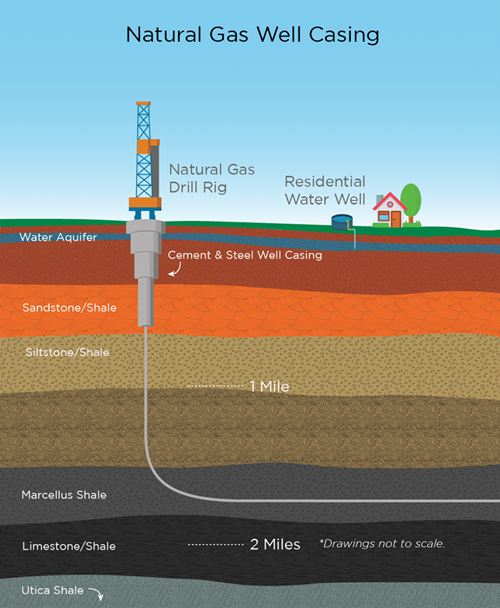
Public trust is a cornerstone of sustainable natural gas development. Responsible gas well development ensures a safe and reliable domestic energy source while minimizing adverse impacts to the public and environment. However, even the most stringently managed gas exploration project requires proactive monitoring. In this use case, groundwater protection monitoring was integrated with an existing air quality monitoring and communication program. In line with a strong commitment to transparency, the client initiated a baseline groundwater sampling program to monitor water quality in regions targeted for natural gas exploration and development. They wanted to integrate qualitative (e.g., odor, color, taste) and quantitative (e.g., pH, turbidity, metals, etc.) analyses of groundwater conditions both before and after drilling activities.
An existing public communication system had been established to present air quality metrics associated with current well development activities. Integrating groundwater quality information into this system required a solution that could provide structured data that could be displayed on a webpage or website. The deployment of the EQuIS REST API, a platform that streamlined data acquisition, storage, and transmittal, is central to this initiative. Its ability to make groundwater data available shortly after completion of laboratory analyses allowed the client to engage proactively with local communities, ensuring informed communication and fostering trust.
Challenges in Managing Environmental Monitoring
- Data Volume and Complexity: Monitoring thousands of groundwater samples across multiple counties generated significant amounts of heterogeneous data requiring standardized storage and analysis.
- Stakeholder Engagement: Local communities expect accessible, transparent communication of findings to understand potential environmental impacts.
- Timeliness of Data Availability: Historically delayed and siloed data access hindered proactive risk communication and stakeholder confidence.
- Regulatory Compliance: The program needed to meet state-specific environmental requirements and reporting time frames, while ensuring data accuracy and reliability.
Solution: Leveraging EQuIS REST API for Radical Transparency™
1. Near Real-Time Data Acquisition and Integration
Automated ingestion of groundwater sampling data from field notes and laboratories
GES leveraged existing EQuIS Data Gathering Engine (EDGE) forms to capture the field data, including photographs, field parameters, and sample identification. Standardized formats ensure consistent data representation across counties, sampling and validation teams, and sampling media.
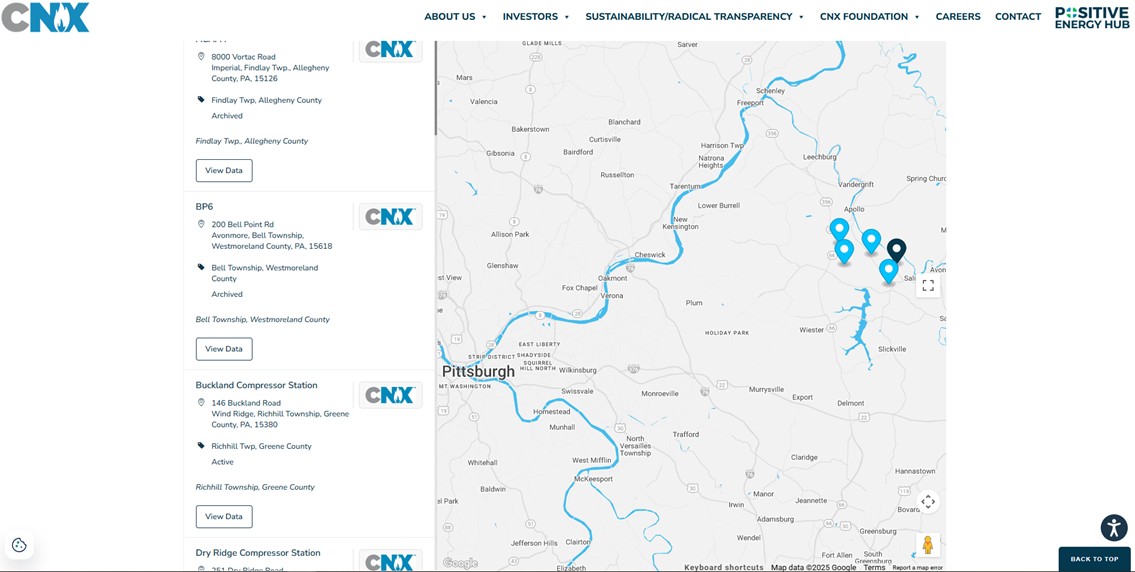
Rapid data availability immediately after collection and processing allows timely decision-making. GES developed a client specific dashboard that presents the key information of their sampling program and facilitates document searching by parcel, owner, and location. EQuIS Environmental Information Agents (EIAs) are setup to automatically email the project team if field parameters or analytical results are above an established criteria.
2. Proactive Risk Communication
3. Analytical Insights
4. Public Reporting and Communication
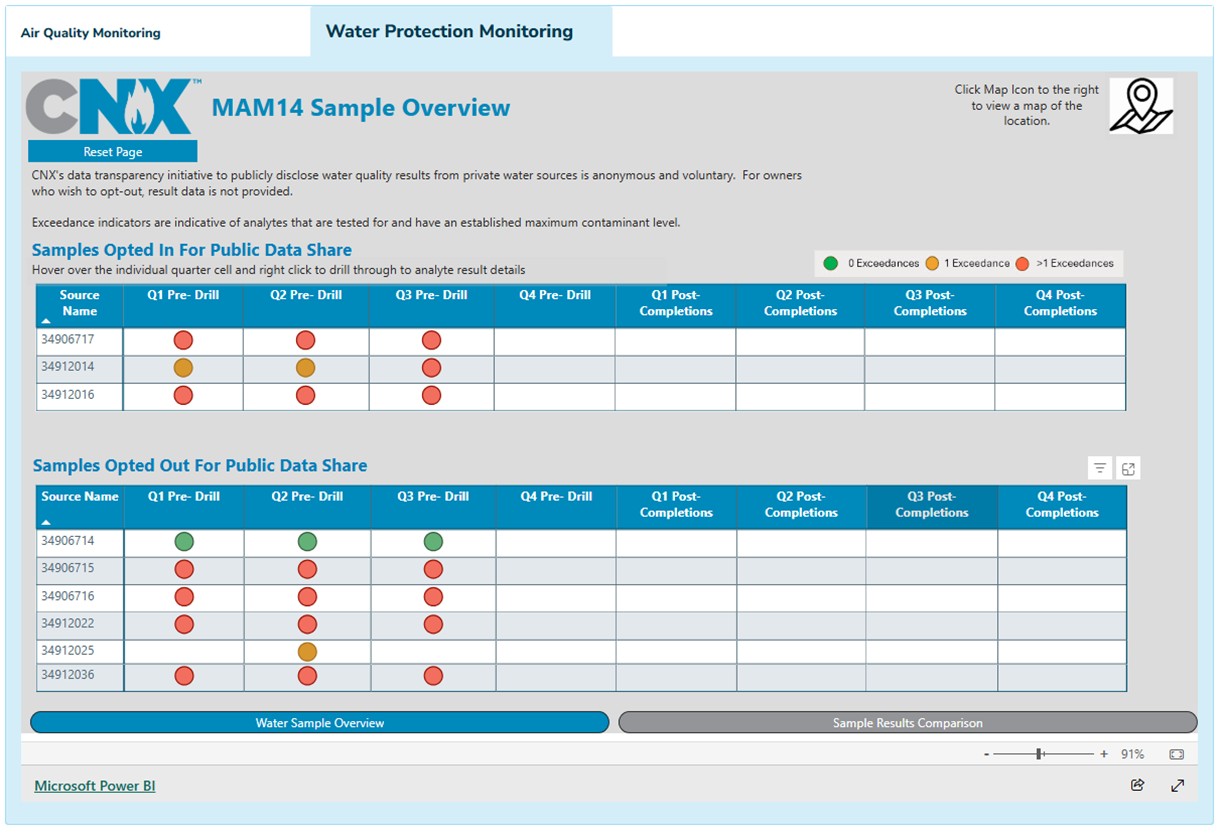
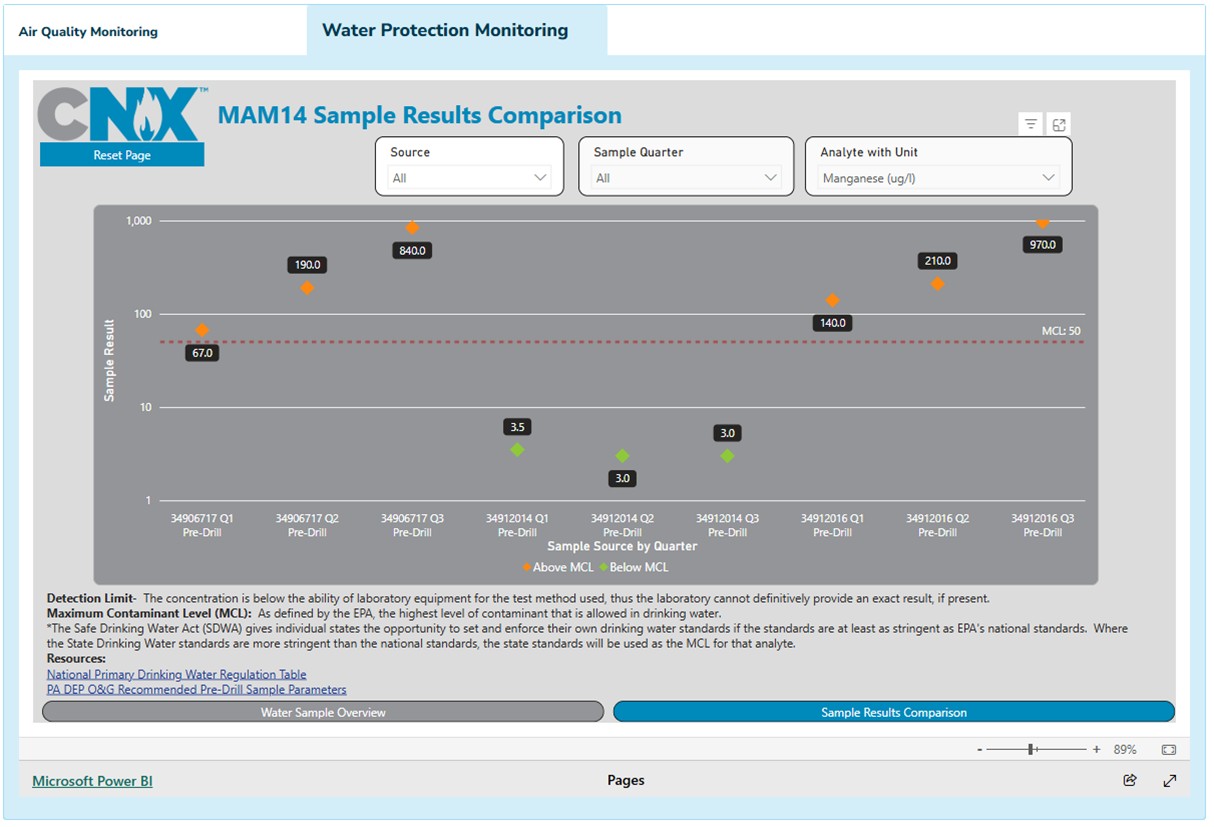
The commitment to Radical Transparency™ is communicated through the client website (https://www.cnx.com/sustainability-radical-transparency/), providing communities with easily understood summaries of their regions’ water quality both before and during natural gas well development. This information is provided in a manner that still provides data privacy for individuals while presenting the wider community with detailed information about existing groundwater quality.
Results and Impact
Baseline Understanding of Groundwater Quality
The program successfully establishes a robust baseline of groundwater conditions across multiple states, providing critical data to guide responsible natural gas development.
Proactive Stakeholder Engagement
Near real-time data availability empowers the client to communicate with landowners before construction began. By addressing potential risks early, the client is demonstrating their commitment to protecting local resources and communities.
Enhanced Public Engagement
Through accessible dashboards and reports, citizens gained unprecedented insight into the quality of their water and air, building trust in the client’s commitment to environmental stewardship.
Conclusion and Future Directions
The integration of the EQuIS REST API has proven instrumental in advancing the client’s Radical Transparency™ agenda. Near real-time data availability was pivotal in empowering proactive risk communication and building trust with stakeholders. By leveraging this technology, the client has set a new standard for environmental monitoring and public engagement in the natural gas industry.
Future Developments
Surface Water Sampling and Reporting: Incorporating data from surface water sources to complement groundwater monitoring, providing a more comprehensive environmental overview.
Stakeholder Engagement: Local communities expect accessible, transparent communication of findings to understand potential environmental impacts.
About the Author
This EQuIS case study was prepared by Groundwater & Environmental Services, an environmental data management consultant to showcase innovative applications of the EQuIS REST API in supporting corporate social responsibility and environmental stewardship.
Contact Information
For further details on this case study or technical guidance on implementing EQuIS REST API solutions, please reach out to dcleland@gesonline.com.