Introduction
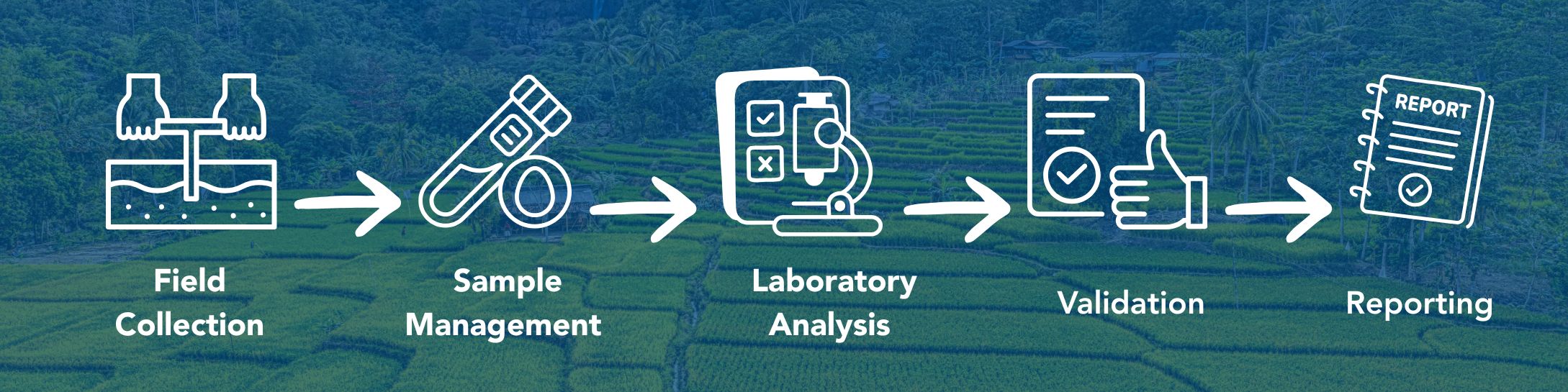
Geotechnical investigations generate large volumes of interconnected data, from field observations and sample collection through laboratory testing, interpretation, and final reporting. While borehole logs are often viewed as the primary project output, their quality depends on a complex chain of data collection, validation, and management activities occurring throughout the investigation lifecycle.
Historically, many stages of this process have relied on manual data entry, spreadsheet-based workflows, and disconnected systems. Variability in field logging practices, differing regional standards, and manual laboratory data management create opportunities for inconsistencies, transcription errors, and gaps in traceability. As project teams, laboratories, and jurisdictions become increasingly interconnected, maintaining consistent and defensible geotechnical data has become both more challenging and more important.
AECOM recognized an opportunity to modernize the geotechnical workflow by establishing a connected digital process within the EQuIS® Geotech platform. Rather than focusing solely on faster data processing, the objective was to improve data quality, standardization, and traceability from field collection through laboratory testing and final reporting. The result is an end-to-end digital workflow that supports consistent practices, strengthens quality control, and provides greater confidence in geotechnical deliverables while also delivering operational efficiencies.
Quality and Data Management Challenges
Geotechnical investigations generate data across multiple environments. In many organizations, these activities are supported by separate tools, spreadsheets, paper forms, and manual processes. As data moves between systems and individuals, maintaining consistency, traceability, and quality becomes increasingly difficult.
Maintaining Consistent Field Logging Practices
Field logging is one of the most important stages in the geotechnical workflow, but it is also one of the most variable. Differences in experience levels, regional practices, project requirements, and client standards can result in inconsistent descriptions, incomplete records, and varying interpretations of subsurface conditions. While these differences may appear minor during collection, they can create significant challenges during review, reporting, and comparisons across projects.
Managing Data Across Multiple Systems
The transition away from legacy tools such as gINT created an opportunity to reevaluate how geotechnical data are collected, managed, and reported. While many replacement solutions can generate borehole logs, fewer provide a seamless connection between field observations, laboratory results, validation processes, and final deliverables. Disconnected workflows often require data to be transferred between systems, increasing the potential for transcription errors, duplicate effort, and loss of information context.
Strengthening Laboratory Quality Control and Traceability
Geotechnical laboratories often operate with less digital integration than environmental analytical laboratories. Sample tracking, requisitions, testing records, approvals, and reporting may rely on spreadsheets or paper-based processes. These approaches can make it difficult to maintain complete audit trails, verify that all required quality reviews have occurred, and ensure that samples are consistently tracked from submission through reporting.
Supporting Growth Without Compromising Quality
As programs increase in size and complexity, manual processes become increasingly difficult to scale. Higher sample volumes, larger field teams, and staff turnover can introduce additional quality risks if standards, validation procedures, and knowledge are not consistently applied. Maintaining data quality at scale requires workflows that embed quality controls directly into every step of the process.
Building an End-to-End Digital Geotechnical Workflow
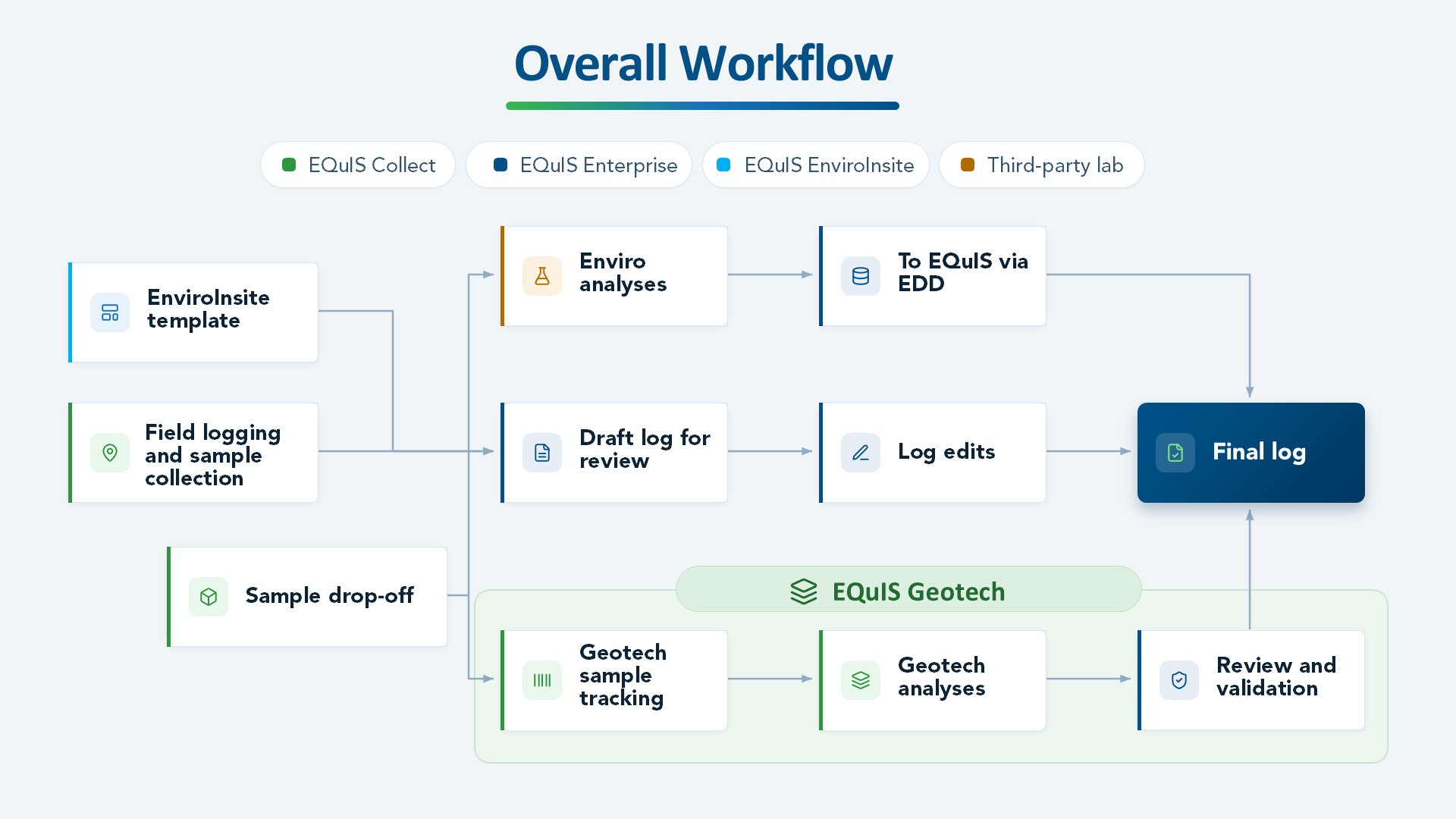
To address the challenges of consistency, traceability, and quality management, AECOM developed an integrated geotechnical workflow within the EQuIS Geotech platform. The objective was not simply to digitize existing processes, but to establish a connected workflow that supports data quality from initial field observations through laboratory testing and final reporting. The solution combines standardized field collection, integrated laboratory management, automated data transfer, and structured validation processes into a single digital ecosystem.
Standardizing Data Collection at the Source
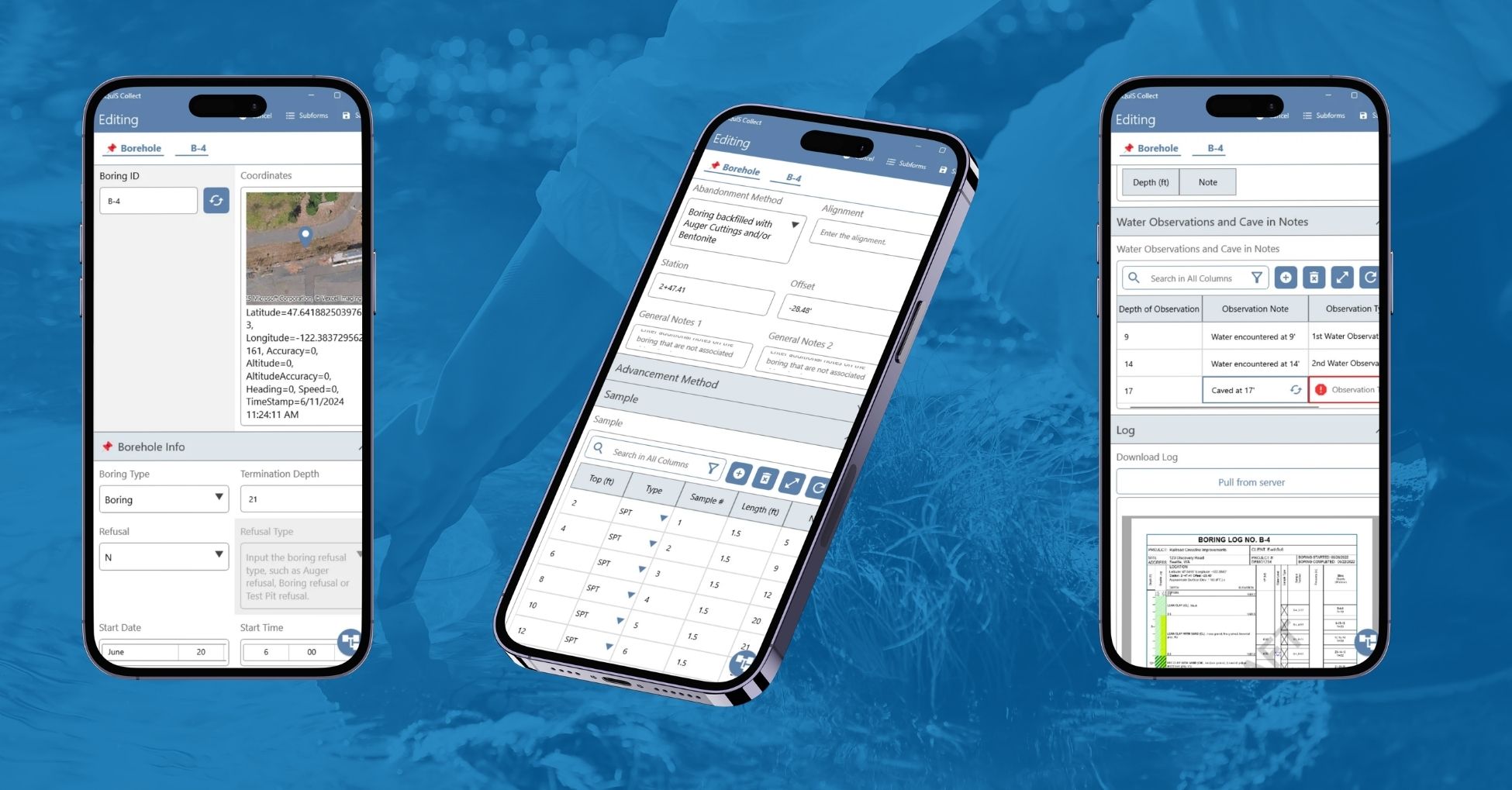
The workflow begins in the field, where borehole logs are collected using an AECOM configured EQuIS Collect template. The template incorporates mandatory fields, controlled vocabularies, validation rules, and configurable logging standards to guide users through the collection process and improve consistency between projects, offices, and personnel.
The solution is designed to support a wide variety of project requirements while maintaining a consistent underlying data structure. Logging options can be configured to accommodate metric or imperial units, different soil classification systems, client-specific requirements, field instrumentation, rock core logging, Munsell color selection, and other discipline-specific needs. Automated calculations and standardized entry methods further reduce the potential for inconsistencies and manual interpretation errors.
By establishing quality controls during data collection, information enters the workflow in a structured format that can be reused throughout the project lifecycle without repeated manual transcription.
Creating a Connected Laboratory Workflow
The field logging process is directly connected to laboratory operations through a digital sample management workflow. Sample drop-off information and analytical requisitions are initiated from the borehole logging process, creating continuity between field collection and laboratory testing. This information automatically supports sample labels, tracking systems, and laboratory work assignments.
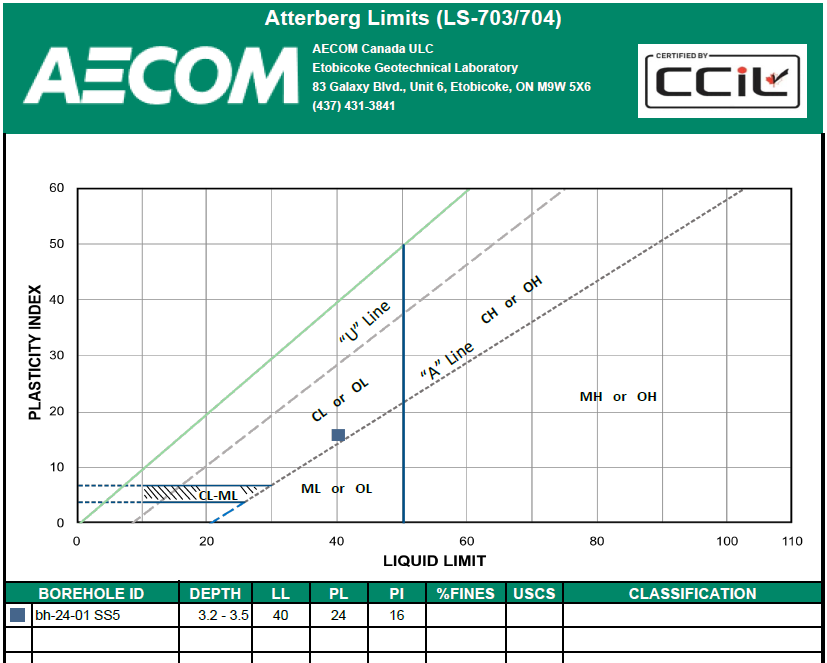
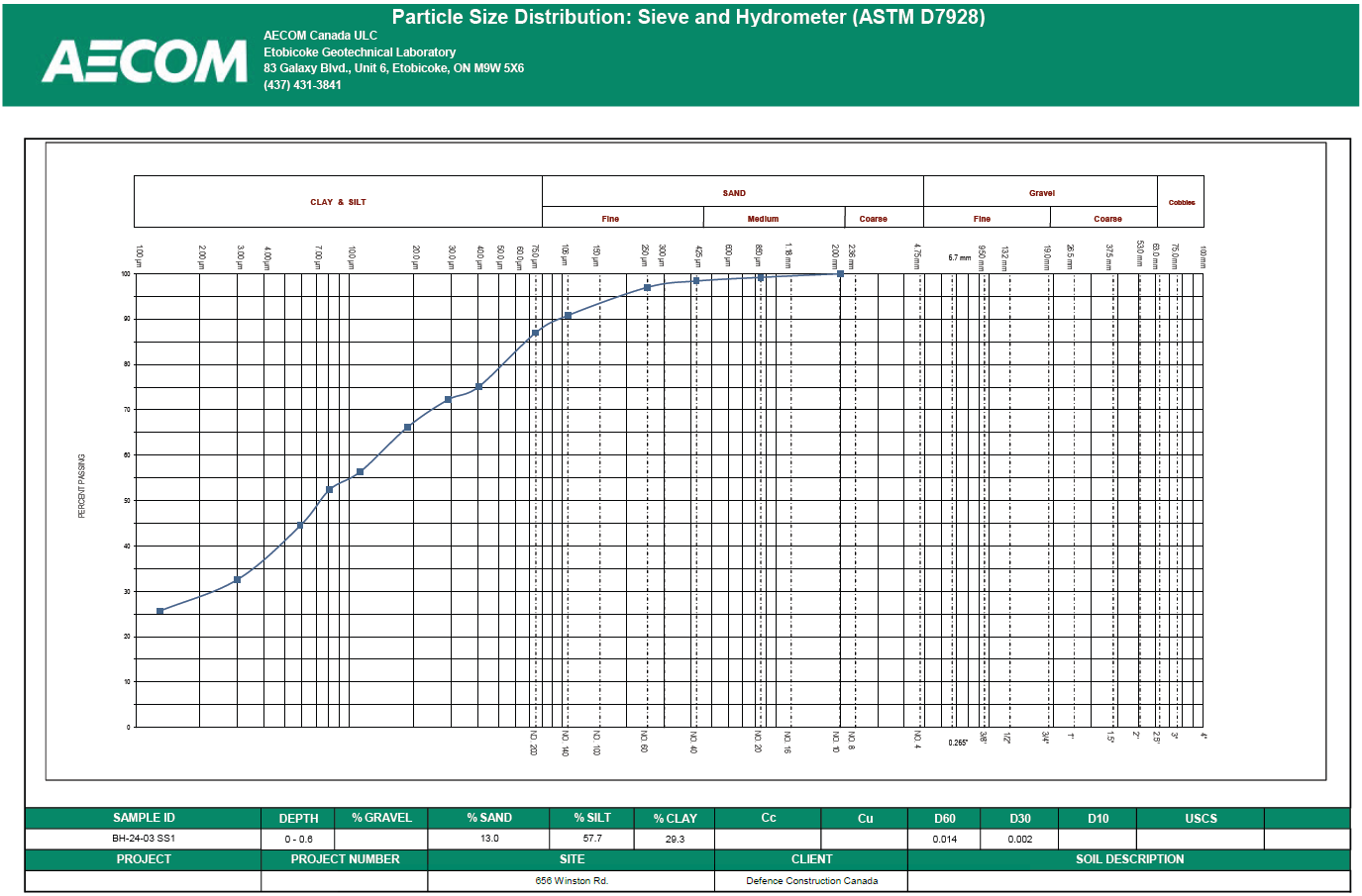
Laboratory personnel record test results directly into an AECOM configured EQuIS Collect forms using tablets rather than relying on paper records and subsequent data entry. Capturing results digitally at the point of testing reduces opportunities for transcription errors while ensuring that data are immediately available for review, reporting, and analysis.
The workflow also improves traceability by maintaining a consistent digital record as samples progress from collection through testing and reporting. This creates greater visibility into sample status and supports a more auditable quality management process.
Embedding Quality Control Throughout the Process
A key design objective was to incorporate quality controls directly into the workflow rather than relying solely on end-stage review. Validation checks occur throughout the process, helping identify issues when they are easier to resolve and before they impact reporting deliverables.
Within the laboratory workflow, a two-stage validation process supports technical review and approval prior to report generation. Completeness checks help ensure that all submitted samples are accounted for, while tracking mechanisms provide visibility into testing progress and approval status. These controls reduce the potential for samples to be overlooked and provide greater confidence that reports are based on validated information.
Because the workflow embeds standards directly into the collection and review process, it also supports onboarding and knowledge transfer by guiding users through established procedures and reducing reliance on institutional knowledge.
Delivering Consistent Outputs
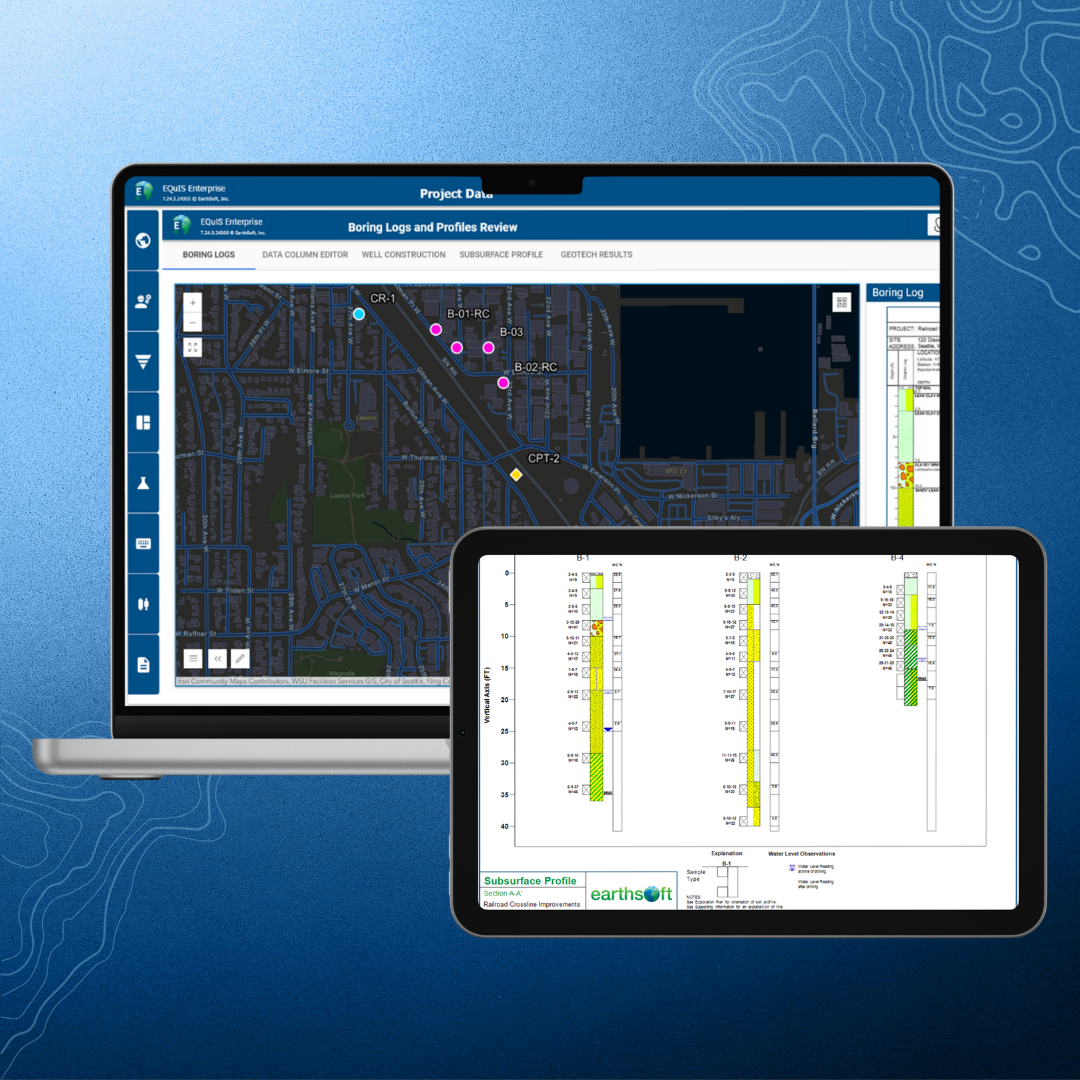
Once validated, data are available for reporting through dashboards and automated reporting workflows, including graphical outputs where required. Because field observations, laboratory results, validation activities, and reporting all occur within a connected environment, project teams can generate deliverables from a common source of trusted information.
The result is a digital workflow that improves consistency, strengthens traceability, and provides greater confidence in geotechnical data while also reducing administrative effort and duplicate data handling throughout the project lifecycle.
Results and Impact
After more than a year of use within the geotechnical laboratory and successful deployment across multiple field programs, EQuIS Geotech has helped deliver significant quality improvements throughout the geotechnical data lifecycle.
Standardized field logging through EQuIS Collect improved consistency across projects, jurisdictions, and teams while reducing variability introduced by differing logging practices or staff experience levels. Mandatory fields, controlled inputs, and embedded validation checks help improve data completeness at the point of collection, reducing the need for downstream corrections.
Within the laboratory, the digital workflow has strengthened sample tracking, validation, and reporting. Integrated requisitions, labels, tracking forms, and approval workflows provide visibility throughout the analytical process and help ensure that samples are correctly tested, reviewed, and reported. Errors that do occur are identified earlier in the workflow, before reports are issued to project teams or clients.
The benefits became particularly evident during a major program that generated approximately three times the laboratory’s normal sample volume. Despite the increased workload, the laboratory maintained established quality processes and completed testing without significant incidents.
Beyond individual projects, the implementation prompted broader reviews of logging standards and geotechnical practices across multiple regions. This has encouraged greater consistency, improved knowledge sharing, and strengthened governance of geotechnical data across the organization.